
GPS trackers
Follow vehicle locations, review past trips and record when a vehicle enters or leaves a site.
What to specify
Vehicle types, fleet size and the locations where the vehicles operate.
Find hardware for your vehicles, machines and sites. Select a product to ask ATB about compatible models, installation and pricing.
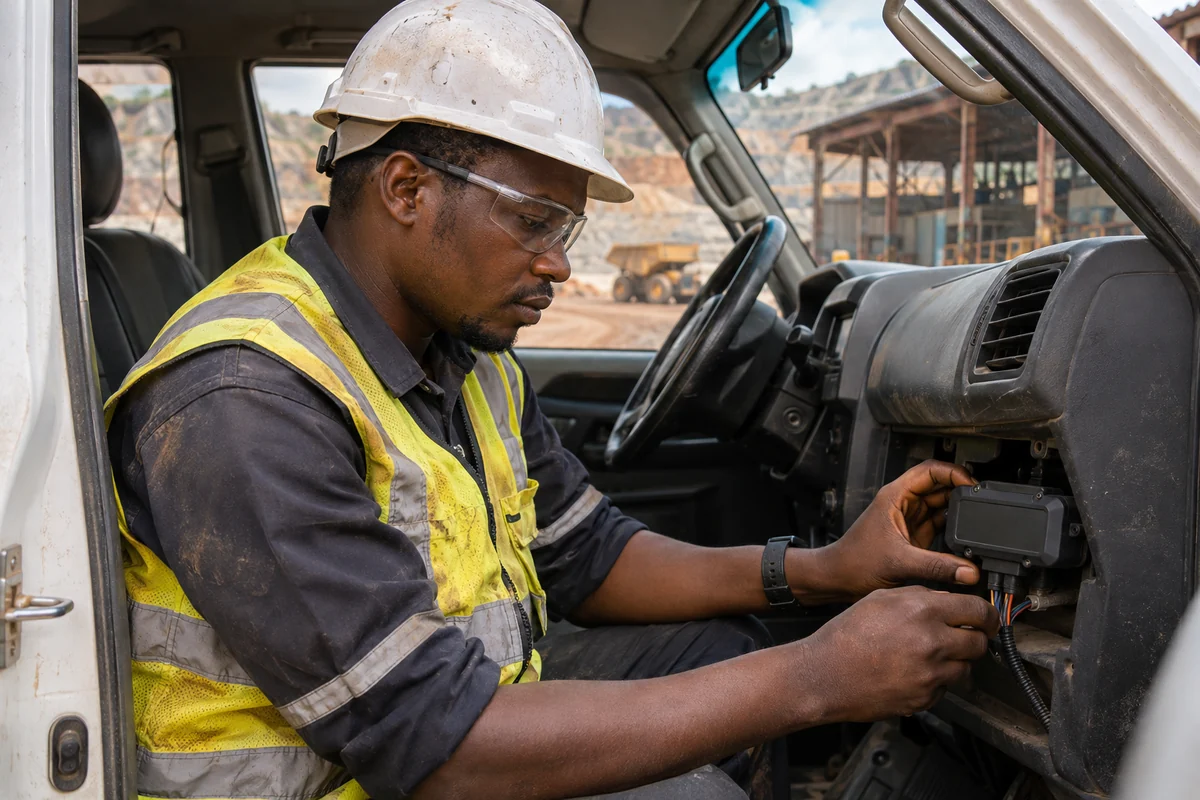
Follow vehicle locations, review past trips and record when a vehicle enters or leaves a site.
Vehicle types, fleet size and the locations where the vehicles operate.
Combine GPS trips with engine data such as running hours or fuel readings on supported vehicles and machines.
Vehicle make, model and year, plus the engine readings your team needs.
Capture road-facing or in-cab footage so supervisors can review driving events with their trip context.
Number of vehicles, camera views, recording time and whether you need driver or road-event alerts.
Bring several vehicle cameras into one recorder for front, rear, side or cab views.
Vehicle layout, camera count, required retention and how your team will retrieve footage.
Monitor tyre pressure and temperature by wheel position so the workshop can investigate changes.
Vehicle type, tyre count, pressure range and whether readings are needed in the cab or remotely.
Measure tank levels and review refuelling or unexpected drops alongside vehicle activity.
Tank shape, depth and capacity, fuel type and the tracker already installed.
Record when a tipper body rises or lowers. Pair those events with time and location to review unloading cycles.
Tipper body type, mounting area, existing tracker and how your operation defines a completed tip.
Estimate how weight is distributed across monitored axles or load points to help operators identify uneven loading.
Axle and suspension configuration, expected loads, measurement points and calibration requirements.
Record conditions in a cold box, storage area or delivery vehicle and review readings against agreed limits.
Temperature range, number of measurement points and who will review an excursion.
Move a solar-powered camera unit between work areas, yards or temporary gates where mains power is limited.
Site layout, viewing distance, hours of operation and network coverage for remote viewing.
Record staff clock-in and clock-out events for attendance review. Choose the identification method and reporting workflow for your site.
Number of employees and locations, shift patterns and the attendance or HR system you use.
Verify an enrolled user at a controlled door or gate and pass the entry decision through a compatible access system.
Number of entry points, identification method, existing door controllers and offline access needs.